The American people have been told to wash their hands, to try and scrounge up some purell, and try their best to avoid contact with any individual or object that might be a COVID-19 carrier. Beyond the (hopefully) closed doors of the quarantined American public are the front line fighters, the scientists looking to not hide from, but understand the COVID-19 virus. This blog will focus specifically on the developments made to fight corona related to antibody testing. The primary objective in testing was diagnostic, attempting to discover a method of sorting out who did and who did not have this disease. Very quickly, nose swabs began entering the canals of individuals. These swabs purpose is strictly to detect viral RNA proteins in the throats and noses of the symptom-presenting individual, specifically to determine the current presence of COVID-19 in an individual. With the progression of the disease, the testing objectives have broadened, focusing more largely on an individual’s whole immune system rather than simply the presence of the virus. At the start of the month, the FDA has thankfully approved a blood test that looks at an individual’s antibodies, seeing if they are equipped with the antibodies necessary to fight off the virus. Known as a serology-based test, these blood tests offer a look into the antibody responses of individuals to see the extent to which their immune system has interacted with the specific COVID-19 viral pathogen.
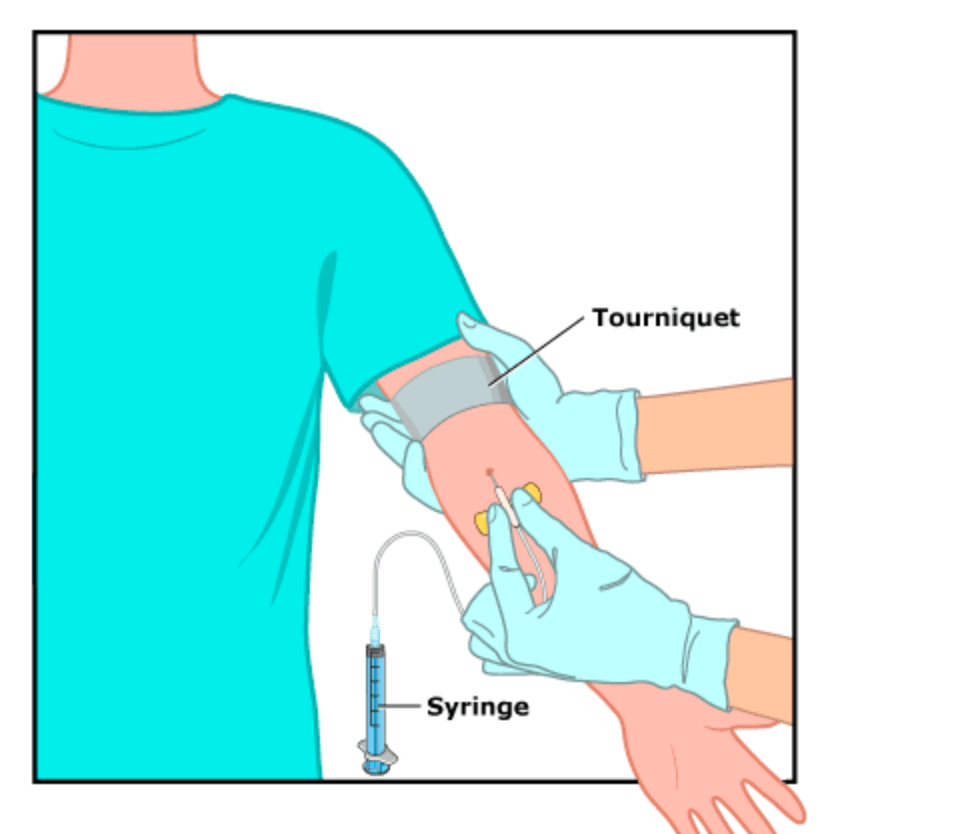
To help communicate the significance of this development, I’ll offer a little explanation into my understanding of antibodies, and why their presence is key to understanding COVID-19. The serology test measures the levels of antibodies in your blood that your body has made in response to a specific pathogen or invader. These antibodies survive long after the presence of that virus has gone, existing as a sort of preparedness to go back to battle in case your body comes across that pathogen again. Because of this, they are able to be detected in the blood. The first type of antibody produced by one’s immune system is known as IgM, which is produced by B cells when they are first exposed to a new pathogen or virus. B cells undergo a process known as class-switching in which the B cells are genetically modified and told by cytokines to produce better-fitting antibodies to the specific antigen being produced. IgG is this more effective antibody, that is able to be produced quickly after class switching in a B cell occurs. The B cells then produce clones then are capable of producing IgG, the more effective antibody. The IgG not only helps fight the pathogen more effectively, but their significance also comes into play when the body is introduced to that same pathogen again, meaning that the B cell clones are prepared to make only the most effective IgG antibodies. You can have both IgG and IgM in your blood as your body is encountering the initial pathogen and starting to make memory cells simultaneously. As the IgG levels increase, long term protection against that particular antigen is secured.
The presence of these antibodies in the blood can indicate very important things regarding COVID-19. If the blood test levels positively indicate the presence of IgG, this can indicate that the individual has encountered the COVID-19 virus before, whether or not that person even experienced symptoms the first time around. Also, the presence of IgG antibodies in the blood communicates that the individual will be able to effectively rid the body of the pathogen if meeting it again, meaning that they will not be able to transmit that virus to others. For COVID-19, understanding antibodies is especially important as the community looks to understand when it can return to normal societal operations. If a person’s blood tests indicate that they have the proper antibodies that make them immune to a re-infection, then the transition back into public will be safer, ensuring that that individual can not get or transmit the virus again.
EXTRA CREDIT:
To take our mind off one disease that has taken center stage in the recent months, what better than to turn our attention to a different one? A current disease outbreak mentioned by the CDC is the food borne illness, listeria. On March 9th and April 7th, two companies recalled their enoki mushroom production due to their relation to an outbreak in Listeria infections in consumers. Luckily, there have been no additional cases since March 27th! I have enjoyed researching this disease rather than COVID-19, because it has shown me a very small scale example of effective institutional action to prevent the spread of a disease. Although there were four deaths associated with this listeria outbreak, the recalls by the FDA were effective in keeping the food borne pathogen from being mass produced and given to the population.

 Kate's MCRO Journey