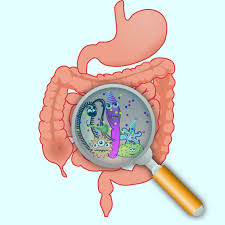
Prior to this course, my only exposure to the microbiome’s importance came in the form of advertisements. Better “gut health”, according to the media, could promise better skin, metabolism, and weight control– all of which were available in a probiotic package at your neighborhood harris teeter. But, of course, understanding the microbiome extends far beyond the top-selling Kombucha flavors.

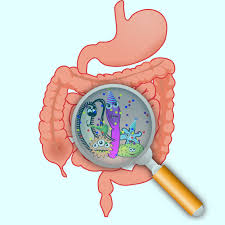
One of the oldest, and least glamorous, mechanisms of enhancing microbiome health can be seen in a practice called a fecal microbial transplantation, or a FMT. This technique, with origins tracing back to the fourth century, explored the microbiomes role in pathology in the context of a Clostridium difficile infection. In these cases, the fecal matter of non-infected individuals was used as a way to transfer healthy microbiomes into the infected individuals, showing how healthy microbiomes are a: different than those infected with C. difficile, and b: able to shape the microbiome of the infected individual for the better. Although slightly gross to conceptualize and not for the at-home-solution types, the FMT is a fundamental aspect of understanding the impact of microbiome and disease and should not be ignored by individuals looking for relief from intestinal disease.
If the contents of one’s microbiome are so important for their health and wellbeing, then wouldn’t it be possible to develop a perfect formula for ideal health conditions? Well, from what researchers currently understand about an individuals microbial health is the importance of diversity. In other words, there is no one healthy gut. While the bacteria making up the gut microbe community might differ significantly between individuals, the goal of the microbiome is the same–balance. A balanced microbiome, according to the most recent research, is one that optimizes the immune and metabolic systems of the body. Often called a “superorganism”, the gut bacteria community plays a large role in a human’s immune system, as they control and inhibit the presence of pathogenic bacteria.

 Kate's MCRO Journey